


 Flower Seasonal News
 Fruit Seasonal News
 Novelty Gifts News
 Wine & Gourmet News
 Thoughts on Gifting...
 GGB Store News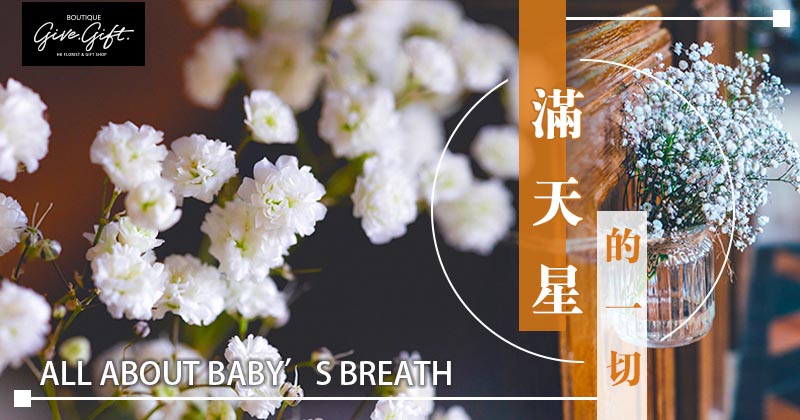
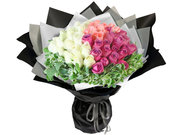
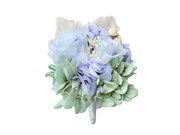
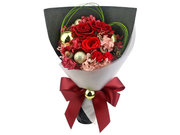
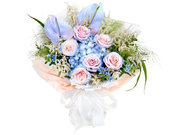
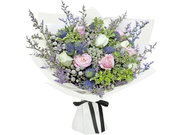
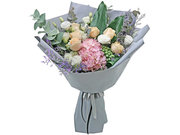
Stone flower, or the more familiar name — baby's breath (Gypsophila), with its charming and delicate appearance, is a popular filler flower recognized by GiveGift Boutique (formerly Shang Li Fang) whether as fresh flowers or dried flowers. Baby's breath gets its name from its star-like blossoms and is not only a secondary flower in bouquets and gardens but can also be used as food and medicine. Want to incorporate the romance of baby's breath into your floral gift? Browse the GiveGift Boutique Baby's Breath Collection to select exquisite bouquets and floral designs.
Scientific Information
The genus Gypsophila is the largest genus in the Caryophyllaceae family, with over 150 different species, being annual or perennial plants. Depending on the species, they can grow to 19-90 cm. Each flower produces tiny seeds, some of which are preserved while others become tumbleweeds as the stems dry out, which helps the seeds disperse over long distances.
Origins and Naming
Baby’ Breath Use
Baby’s Breath in Flower Arrangements
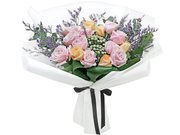
Paniculata and creeping baby's breath are the two most commonly used varieties in floral arrangements. They are a classic pairing with roses, used in wedding bouquets or floral arrangements; but baby's breath is a highly versatile flower material that can create various creative and aesthetically pleasing combinations.

Popular Baby’s Breath Types and Colours
Baby’s breath comes in a variety of stellar colours from its traditional and recognisable white, to orange, blue, purple, pink, and red.
Paniculata
This variety of baby's breath is a perennial plant, commonly used as a filler flower in gardens and bouquets. They are generally white or pink and commonly used in the flower market. This species includes several popular cultivars such as Festival Star, Snowflake, Compacta, Double Snowflake, Perfecta, Virgo, Red Sea, and Double Pink Diamond.
Creeping Baby's Breath
Creeping baby's breath, also known as trailing baby's breath due to its long, drooping stems. This variety has small flowers but long stems, preferring alpine temperatures. The flowers are pinkish-white with blue-green leaves, making beautiful decorations on garden walls.
Perennial Baby's Breath
Perennial baby's breath is a type of baby's breath that looks lovely both in gardens and bouquets. They come in white or pink, and can be single or double flowers. Popular varieties of this type include: Covent Garden, Great White, White Giant, White Elephant, Red Cloud, Rose Red, and Rouge.
Symbolism and Meaning of Baby's Breath

Caring for Baby's Breath
Generally speaking, baby's breath is a relatively easy plant to grow and care for, being drought-tolerant and requiring little maintenance. When finished using or needing pruning, it can also be dried beautifully.
Garden Care
Garden baby's breath needs plenty of sunlight, at least 6 hours of direct sun daily, and they are tap-rooted, disliking being moved, so placement should be chosen carefully. Well-drained soil with plenty of organic compounds helps baby's breath grow, and they prefer alkaline soil with a pH between 7.0-7.5.
As baby's breath grows, you'll find their stems difficult to keep upright, so you can insert stakes beside them for support. However, baby's breath is very drought-tolerant and can survive in dry soil for some time. So don't overwater — about once a week is sufficient.
Another advantage of baby's breath is that it doesn't require deadheading, but it still needs occasional trimming to keep it looking fresh.
Cut Flower Care
General Flower Care:
*Cut the stems at a 45-degree angle.
*Use flower food.
*Prune and remove any dead or dying leaves or petals, especially if they’ve fallen in the water.
*Change the water daily.
*Keep flowers away from drafts, fans, and appliances that give off heat.

Fun Facts About Baby's Breath
*Baby’s breath is classified as mildly toxic to cats.
*Chemicals within the baby’s breath, such as saponins, can break down cancer cells and is being explored within cancer research.
*In Britain, baby’s breath is also known as a soapwort.
*Baby’s breath, especially when dried, can cause allergies for some.
Q1: Who are gypsophila bouquets suitable for?
Gypsophila symbolizes everlasting love, purity and warmth. It is an ideal gift for lovers, friends and family members, and also a popular floral choice for weddings and graduation ceremonies. The gypsophila collection at GiveGift Boutique features assorted designs suited for all occasions.
Q2: How long does a fresh gypsophila bouquet last?
Fresh cut gypsophila stays vibrant for 5 to 10 days. All bouquets from GiveGift Boutique are crafted with freshly picked blooms of the day, accompanied by flower care instructions to help extend vase life.
Q3: Does GiveGift Boutique offer preserved gypsophila?
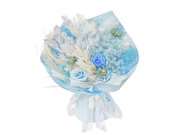
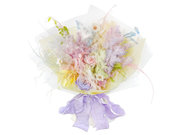
Yes. Our preserved gypsophila arrangements retain their beauty for 1 to 3 years with no watering required, perfect for long-term display at home or in offices.
Q4: Can gypsophila be made into a standalone bouquet?
Absolutely. Though commonly used as filler flowers, all-gypsophila bouquets are elegant and charming, ideal for those who prefer minimalist aesthetics.
Shop Gypsophila Gifts from GiveGift Boutique now
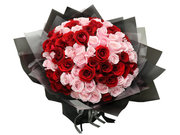
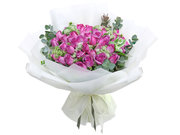
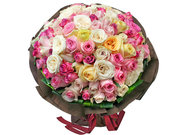
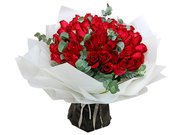
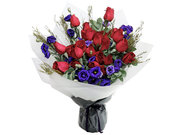
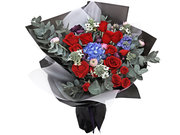
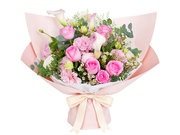
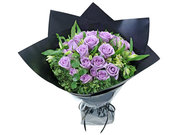
From classic white and romantic pink gypsophila to creative mixes with roses and sunflowers, every arrangement is exquisitely handcrafted by GiveGift Boutique with same-day delivery available across Hong Kong.
Browse the full Gypsophila Collection
Original content written by GiveGift Boutique , Hong Kong’s premier online florist. Please cite the source for any reposting.
This is a Hong Kong GGB original 'Flower Facts: All About Baby’s Breath' blogpost.






 Share
Share Tweet
Tweet +1
+1  Pin it
 Post
Post  Weibo
Weibo Review
4V(_}IHL(]_T[411WG4J[M.png)

 Flower Bouquets
  Flower in Vase
  Floral Decor
  Box Flower
  Birthday Gift Sets
  99, 101, 365
  Subscription, Frontdesk Flower
  New Flower Bouquets
  Preserved Flower
  Mailable Hamper Gifts











 Grand Opening
  Funeral Flower
  Orchids
  Graduation Flower Teddy
  Weekly Fresh Import
  Plants n Bonsai
  Bridal Bouquet, Corsage
  Month/Weekly Flower Plan
  CNY Gift Hamper
  Gourmet Gift Hampers
  Fresh
Fresh  New Born Baby Gift
  Get Well Soon & Health
  Chinese Style, Dried Seafood
  Let's Party!
  Relax, Spa & Lifestyle
  Group Member / VIP Program
  Bespoke Corporate Gift
  Gourmet Gift Hampers II
  WFH Work fm Home
  GGB China Branches
  Father's Day Gift
  Dragon Boat Festival Gift
  Peninsula Mooncake
  Mother's Day Gift
  Mid Autumn Hamper 1
  Christmas Gift Hamper
  Mid Autumn Hamper 2
  New Year Gift
  CNY Flower n Plant
  Elle x Cosmo MAF Gifts
  Elle x Cosmo Xmas Gifts
  Diwali Gifts
  Easter Gift Hamper
  Valentine's Day Flower
  Secretary's Day Gift
  Wine n Champagne
  Aluminum Balloons
  Teddy Bear Plush Doll
  Chocolate n Gourmet
  Coffee n Tea
  Hand-made cards
  Welcome to Hong Kong
  Swarovski, Accessories
  2020 Test Area
  Charms n Accessories
  Disney Sanrio Plush
  France Maison XXII
  Trophy n Memorabilia
 ▶
▶

